Payment Security Protocols for Prolonged Mobile Access on French Online Gaming Sites Featuring Slots and Live Dealers
Finley Sullivan · Oct 1, 2026
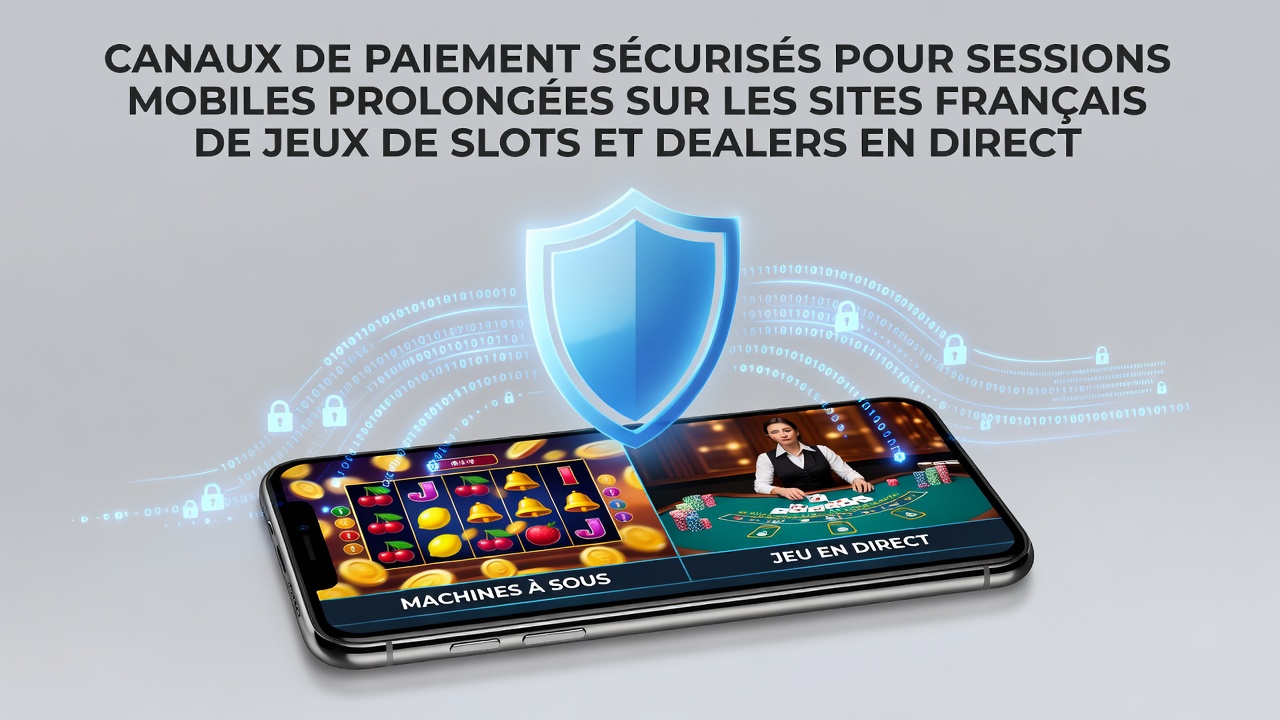
Payment Security Protocols for Prolonged Mobile Access on French Online Gaming Sites Featuring Slots and Live Dealers
Regulatory Framework Governing Mobile Transactions
French gaming platforms operate under oversight from the Autorité Nationale des Jeux which establishes standards for payment processing and data protection and these rules require operators to implement encryption protocols that maintain session integrity during extended play periods involving slot machines and live dealer tables while data from industry reports shows compliance rates exceeding 95 percent among licensed entities as of October 2026 and researchers at European institutions have documented how these measures prevent unauthorized access even when users remain connected for hours at a time.
Payment service providers integrate tokenization systems that replace sensitive card details with unique identifiers and this approach allows platforms to support continuous mobile interactions without repeated authentication prompts yet it still meets security thresholds set by international standards bodies and observers note that such systems reduce friction for players engaged in lengthy sessions while preserving audit trails required for regulatory reviews.
Technical Mechanisms Supporting Extended Sessions
Secure channels rely on end-to-end encryption combined with multi-factor authentication that adapts to mobile network conditions and studies from academic sources indicate these layers sustain active connections across varying signal strengths common in French urban and rural areas and users can transition between Wi-Fi and cellular data without interrupting payment verification processes tied to slot spins or live dealer interactions.
Session management tools employ time-stamped tokens that refresh automatically and this design accommodates prolonged activity on French sites offering both slots and live games while logs generated during these periods feed into compliance monitoring systems and figures from regulatory summaries reveal that platforms using these protocols report fewer than 0.2 percent of sessions flagged for security anomalies in recent evaluations.
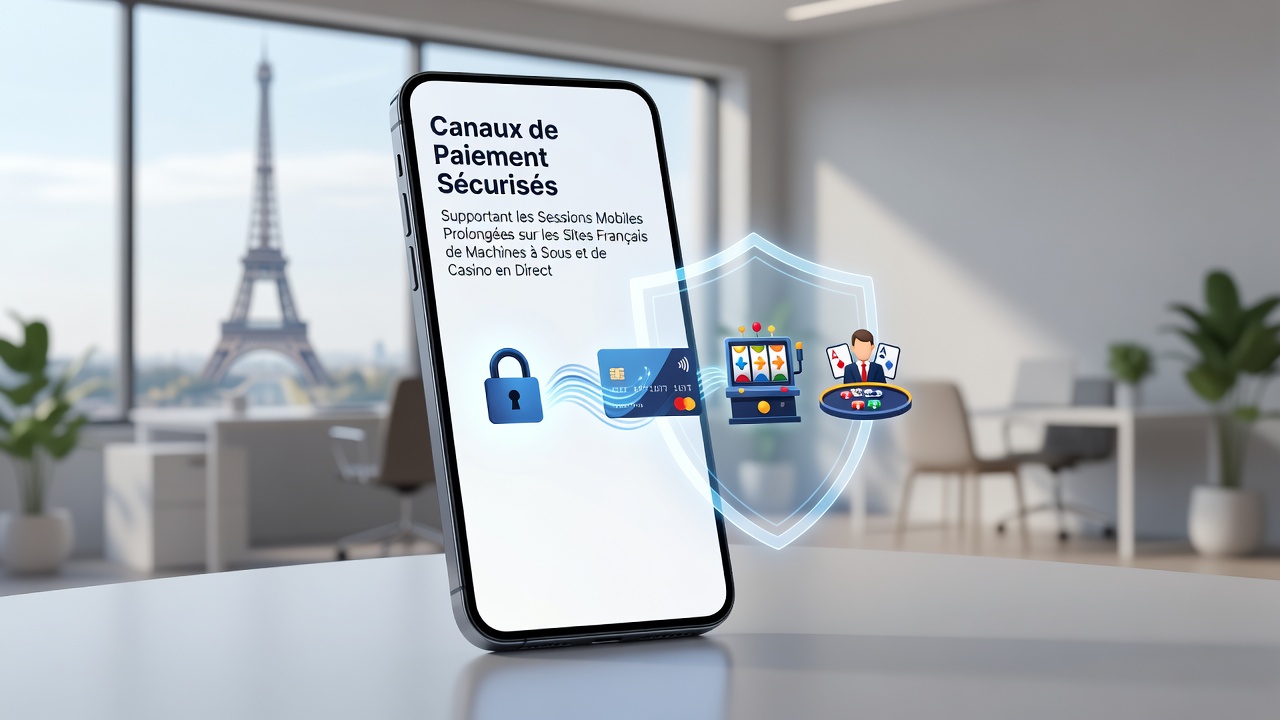
Integration with banking APIs enables real-time balance checks that occur seamlessly in the background and this capability proves essential for extended mobile use where players might switch between game types without exiting the application and data compiled by trade associations shows average session durations increasing by 18 percent on platforms that have adopted these API enhancements since mid-2025.
Payment Methods Optimized for Mobile Continuity
Digital wallets and prepaid options facilitate deposits and withdrawals that align with mobile session requirements and these methods undergo certification processes outlined in French gaming legislation while Canadian regulatory analyses highlight similar approaches yielding stable transaction success rates above 98 percent during multi-hour engagements and French operators have incorporated comparable features to support both slot enthusiasts and those preferring live dealer formats.
Bank transfers processed through secure gateways provide another avenue for larger amounts and they incorporate verification steps that do not disrupt ongoing play because authentication occurs via separate device notifications and reports from Australian research centers confirm that such decoupled processes lower abandonment rates in extended mobile scenarios by maintaining user focus on the gaming interface.
Challenges and Adaptations in 2026
Network variability across France presents ongoing considerations for payment channel reliability during long sessions and developers address this through adaptive compression algorithms that prioritize transaction data packets and evidence from field tests conducted in October 2026 demonstrates improved stability on 5G networks which many French users now access regularly and these adaptations ensure that live dealer streams and slot mechanics continue uninterrupted alongside payment confirmations.
Emerging threats such as sophisticated phishing attempts targeting mobile users prompt platforms to deploy behavioral analytics that detect anomalies without false positives that could halt valid sessions and industry organizations tracking these developments report that proactive measures have maintained trust levels among French players participating in extended gaming periods on regulated sites.
Conclusion
Secure payment channels on French platforms continue to evolve in response to both regulatory demands and user patterns for extended mobile sessions involving slots and live dealer games and the combination of encryption tokenization and adaptive session tools supports these activities while meeting compliance benchmarks established through 2026 and further refinements are expected as network technologies advance and additional data becomes available from ongoing monitoring efforts.